Automating Reptile UVB Lamp Timers With Seasonal Day-Length Changes
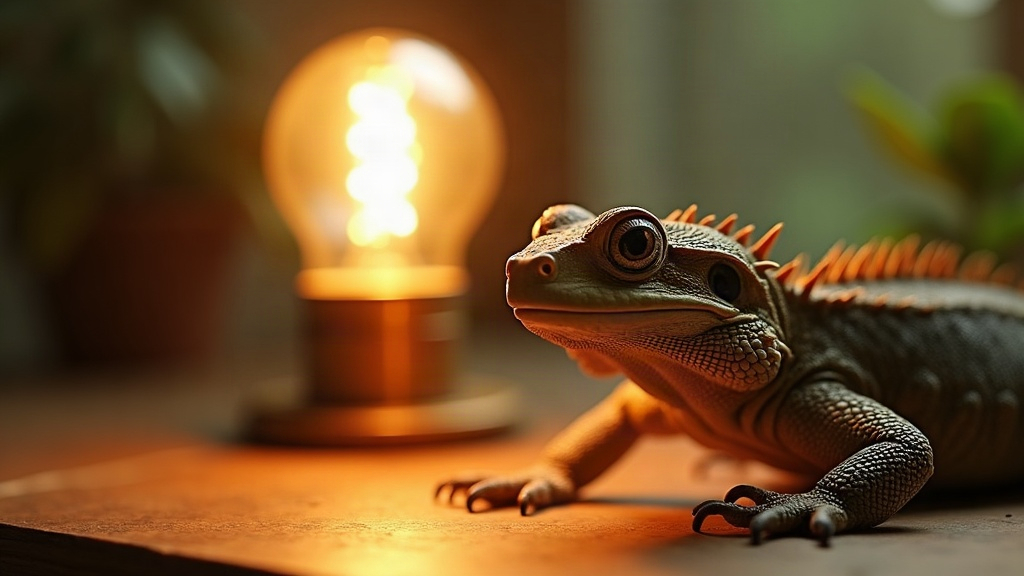
Most reptile keepers set a UVB timer once (say, 12 hours on, 12 hours off) and never touch it again. But in the wild, day length shifts gradually throughout the year, and that seasonal rhythm triggers feeding activity, breeding behavior, and healthy metabolic cycles. Automating your UVB timer to follow seasonal day-length changes gives your reptile a more biologically accurate environment, and you won’t have to manually adjust settings every week to get there.
Why Seasonal Photoperiod Matters for Reptiles
Reptiles evolved under natural light cycles that change with latitude and season. A bearded dragon from central Australia, a leopard gecko from Pakistan, a ball python from West Africa: all of them experience shifting day lengths in their native ranges. Even in “stable” tropical zones, the difference between wet and dry season daylight can be noticeable, sometimes a swing of an hour or more.
Static 12/12 lighting works fine as a baseline, but it ignores a few real biological triggers:
- Breeding cues: Many species rely on lengthening or shortening days (photoperiod) to signal breeding season.
- Brumation/dormancy signals: Species like bearded dragons and some tortoises use shortening days alongside cooling temps to prepare for brumation.
- Natural activity rhythms: Longer summer days often correlate with increased basking, feeding, and UVB exposure needs.
Keep the lighting artificially static year-round and you can end up suppressing these natural cycles. In captive breeding programs, that’s a well-documented cause of reduced fertility or odd, off-pattern behavior.
How to Automate Seasonal Day-Length Shifts
You don’t need to replicate your reptile’s exact wild locale down to the minute. A gradual, repeatable seasonal curve is enough to provide meaningful benefit, and honestly, that’s the part most keepers skip simply because it sounds like more work than it is.
1. Choose a Smart or Astronomic Timer
Skip basic mechanical timers. Look for:
- Digital timers with multiple on/off programs (allows you to pre-set gradual schedule changes).
- Smart plugs/outlets (like Wi-Fi smart plugs) controlled through an app or home automation hub (Home Assistant, SmartThings).
- Astronomic/solar timers, which automatically adjust on/off times based on sunrise/sunset data for a set location. These are popular in greenhouse lighting, and they work just as well for terrariums.
2. Map Out a Seasonal Curve
Pick a reference latitude close to your species’ natural range, or just design a gentle curve that mirrors your own region’s seasonal swing. Many keepers find even a moderate shift, say 10 to 14 hours across the year, is plenty.
Example for a temperate-climate species:
| Month | UVB Hours |
|---|---|
| December (winter low) | 10 hrs |
| March (spring) | 11.5 hrs |
| June (summer peak) | 14 hrs |
| September (fall) | 11.5 hrs |
3. Automate Gradual Adjustments
Rather than big weekly jumps, aim for small 5 to 10 minute shifts every few days. This is where smart home automation really earns its keep:
- Use Home Assistant’s
sunintegration to trigger UVB on/off based on real sunrise/sunset times for a chosen location, with offsets. - Or use a scheduling app that lets you program monthly timer updates in advance, so you’re not resetting the thing by hand every Sunday night.
4. Combine With Temperature and UVB Intensity
Day length isn’t the only seasonal variable at play. Pair your lighting schedule with:
- Slightly lower basking temps in “winter” months, where that’s appropriate for the species.
- Consistent UVB bulb replacement every 6 to 12 months. Output degrades long before the bulb visibly dims, and a carefully tuned seasonal schedule means nothing if the UVB index has already dropped too low to matter.
Common Mistakes to Avoid
- Changing day length too abruptly. Sudden multi-hour shifts can stress reptiles rather than help them.
- Ignoring species-specific needs. Desert species and tropical species respond differently to seasonal cues, so research your species before designing a curve.
- Forgetting backup power. A power outage that resets a smart timer can throw off weeks of careful scheduling. Choose timers with battery backup or cloud-synced schedules so a blip doesn’t undo a season’s worth of tuning.
Final Thoughts
Automating your reptile’s UVB timer around seasonal day-length changes is a low-effort, high-impact husbandry upgrade. With a smart plug, an astronomic timer, or a home automation hub, you can replicate the natural photoperiod shifts your reptile would experience in the wild. The payoff is healthier activity cycles, more natural breeding behavior, and better long-term wellbeing, all without touching the schedule by hand every few days.