Smart Home Tracking for Tool Borrowing in Shared Woodshops
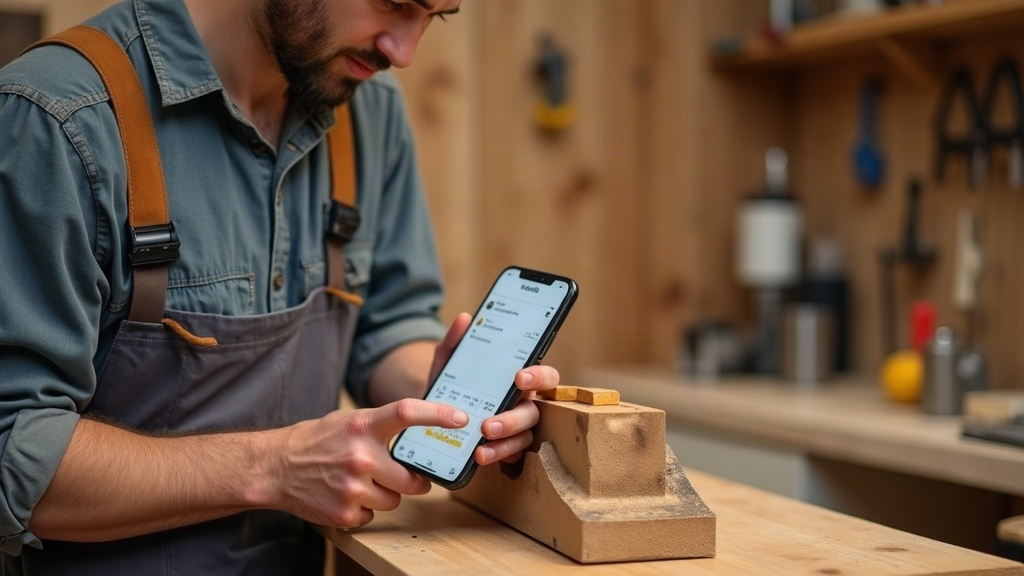
If you’ve ever shared a woodshop with family, roommates, or a makerspace crew, you know the drill (pun intended): someone grabs the chisel set and it just… vanishes. Smart home tracking for tool borrowing fixes this using Bluetooth tags, smart shelves, and a connected app that logs who took what, when, and whether it’s overdue. It turns the honor system into something you can actually check.
Why Shared Woodshops Need a Tracking System
A home or community woodshop usually has a revolving door of users: a neighbor knocking out a weekend project, a teenager getting comfortable with a router for the first time, a club member racing to finish a commission. Without some structure, tools wander off. They end up sitting in garages, truck beds, or someone’s basement for weeks at a time. The usual headaches:
- Missing tools at the worst possible moment — you’re mid-project and the one clamp you actually need is nowhere to be found.
- No accountability — nobody can say for sure who had it last.
- Duplicate purchases — you buy a second set of chisels because the first set “disappeared,” only to find it three months later under a workbench.
- Safety gaps — power tools leaving the shop with people who were never shown how to use them properly.
A lightweight tracking layer solves all four problems without turning your shop into a warehouse with a clipboard-wielding manager.
How Smart Tracking Works in Practice
Most setups lean on three pieces of hardware working together.
1. Bluetooth or NFC Tags on Tools
Small adhesive or screw-mount tags, the kind you’d recognize from item finders, get stuck on handles, cases, or tool chests. Each tag carries a unique ID that’s linked to that specific tool inside the app.
2. A Smart Hub or Shelf Sensor
A hub mounted near the shop entrance, or a pegboard fitted with sensors, picks up when a tagged tool leaves or comes back. Some shops go with a basic presence sensor; others build RFID readers right into a shelf or toolbox lid.
3. A Borrowing App or Shared Log
This is really the heart of the whole system. When someone grabs a tool, they tap a phone or badge against the reader, pick the tool from a list (or it gets auto-detected), and the app records:
- Borrower name
- Tool and tool ID
- Checkout time
- Expected return date
- Condition notes (optional)
Once the tool passes back through the reader, the log closes itself. No spreadsheet chasing required.
Setting It Up Without Overspending
You don’t need enterprise asset-management software to see real results here. A practical, cheap setup looks something like this:
- Bluetooth trackers (roughly $15 to $30 a pop) on your most-borrowed or priciest tools: power drills, specialty clamps, measuring gear.
- A shared smart home app (plenty of trackers plug into general home automation apps already) to log checkouts through a quick form or automation trigger.
- A QR code system as the free route: stick a code on each tool linking to a shared spreadsheet or a lightweight app, and borrowers scan it to log themselves in and out.
- A smart plug or sensor on the main tool cabinet that pings you whenever it opens after hours, handy for shared spaces where access needs a paper trail.
Which Tools Deserve Tracking First
You don’t need to tag everything. Prioritize by cost and how often something walks:
- High-value power tools (routers, planers, sanders)
- Things that disappear easily (measuring tapes, clamps, chisels)
- Shared safety gear (face shields, hearing protection, push sticks)
- Anything with a track record of going “missing” for weeks
Basic hand tools, screwdrivers and the like, usually aren’t worth the hassle. The setup overhead just isn’t justified by a $4 Phillips head.
Setting Expectations With Shop Members
Technology only helps if people actually bother using it. A handful of habits make adoption stick:
- Keep check-out under 10 seconds. If tapping a tag is slower than just grabbing the tool and walking, people will skip it every time.
- Send automatic reminders for overdue tools rather than relying on someone to play bad cop.
- Keep the log visible. A shared dashboard does the social-accountability work on its own, no nagging required.
- Frame it as shop culture, not punishment. “See what’s available right now” lands a lot better than “we’re watching you.”
Common Questions
Does this work for a single-family garage shop too? Sure does. Even with just two or three people sharing a space, a simple tag-and-log setup ends the classic “who had the drill last” argument before it starts.
What if a tool doesn’t have room for a tag? Put the tag on the case, holster, or storage hook instead of the tool itself. Works just as well.
Can this replace a sign-out sheet entirely? For smaller shops, a sign-out sheet with QR codes is usually plenty. Bluetooth tracking earns its keep mainly once tools start regularly leaving the building.
Conclusion
Smart home tracking turns tool borrowing from a trust-based guessing game into something transparent and low-friction. Whether you go all-in on Bluetooth tags or start cheap with QR-code logging, the point stays the same: know where your tools are, who’s got them, and when they’re due back, so your next project doesn’t grind to a halt because the one thing you need has wandered off again.