Battery vs Wired Smart Door Sensors for Detached Garages
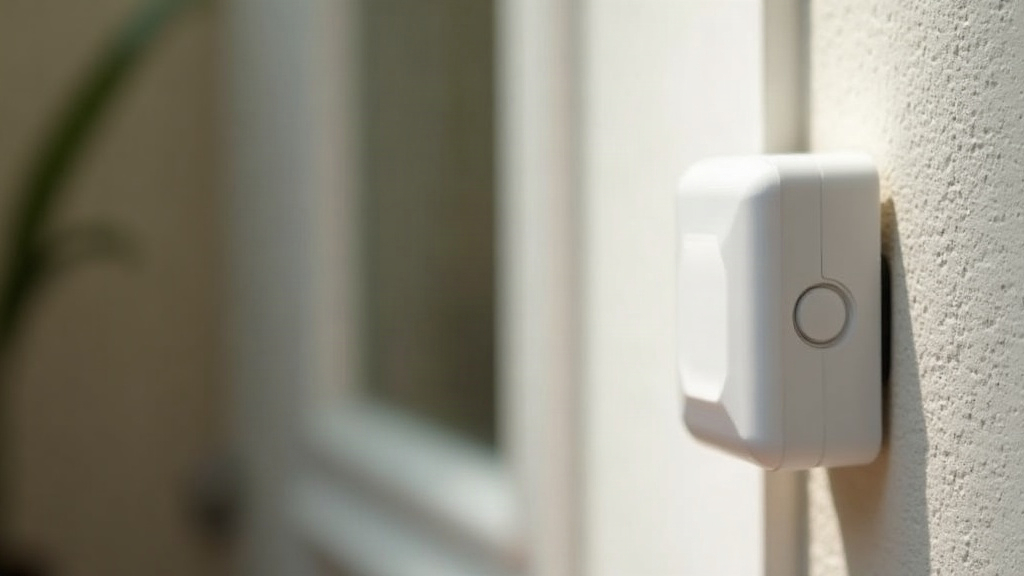
If you’re torn between battery-powered and wired smart door sensors for a detached garage, here’s the blunt version: batteries win on ease of install and flexibility, wired units win when the mercury drops and you want zero maintenance. The right pick really hinges on three things: how far the garage sits from your house, how brutal your winters actually get, and whether you’d rather crawl through conduit once or swap batteries twice a year.
Why Detached Garages Are a Special Case
An attached garage shares your home’s network bubble and often has wiring already snaking through the walls. A detached structure usually has neither. That gap creates two very specific winter failure points.
- Signal range. Walls, insulation, and sheer distance all chip away at Wi-Fi, Zigbee, or Z-Wave strength before the signal even reaches the hub.
- Cold-induced battery drain. Lithium and alkaline cells both lose capacity as the temperature falls. The result: “low battery” warnings or dropped connections, usually on the exact night you needed the sensor to work.
Battery-Powered Sensors: Pros and Cons
Pros:
- No wiring, period. Stick it on with adhesive or two screws and you’re done in minutes.
- Plays nicely with Zigbee, Z-Wave, or Wi-Fi hubs (SmartThings, Aqara, Hubitat, take your pick).
- Move it to a different door next month if you rearrange the garage. No tools needed.
Cons in winter:
- CR2032 and CR123A cells can shed 20-40% of their usable capacity once temps drop below 20°F (-6°C).
- Sensors sometimes flash “offline” during a cold snap even though there’s still charge left in the battery. Frustrating, and hard to diagnose from inside the house.
- Expect to check batteries every 6-9 months in a cold garage, not the 1-2 years printed on the box.
Real-world tip: Swap in lithium CR2032 cells instead of alkaline ones. They hold up far better in freezing conditions. That’s exactly why Aqara and SmartThings sensors rated down to -4°F (-20°C) specify lithium chemistry on the datasheet. Worth checking before you buy, not after your first January failure.
Wired Sensors: Pros and Cons
Pros:
- No battery anxiety at all. Continuous power means no cold-weather capacity dip to worry about.
- Signal reporting tends to be steadier, since many wired contact sensors hook straight into a hardwired alarm panel or a PoE-based hub rather than hopping over radio.
- A great option if your garage already has conduit or low-voltage wiring, which is common in older detached garages originally wired for a light fixture or opener.
Cons:
- Someone has to run the wire, either during construction or as a retrofit through walls and conduit. Budget $100-$400 depending on distance and how accessible the run is.
- Once it’s in, it’s in. Relocating a wired sensor later is a bigger job than peeling off a battery unit.
- You’re still at the mercy of whatever network bridge or alarm panel sits at the garage end. Wired doesn’t mean immune to outages.
Which One Should You Choose?
Choose battery sensors if:
- Your garage sits comfortably within range of a mesh Wi-Fi node, Zigbee repeater, or Z-Wave extender.
- You want a weekend DIY job, no electrician required.
- Your winter lows typically stay above 0°F (-18°C).
Choose wired sensors if:
- Electrical wiring is already run out to the garage, which is pretty common if there’s a light or an opener installed.
- Winter lows regularly dip below 0°F, the point where battery chemistry starts to get genuinely unreliable.
- You’d rather install once and forget it than remember a seasonal battery swap.
Boosting Reliability Either Way
- Add a Zigbee or Z-Wave repeater inside the garage. A smart plug with repeater functionality shortens the hop between sensor and hub considerably.
- Insulate the mounting point. A sensor bolted straight onto an uninsulated metal door frame absorbs cold much faster than one mounted on wood or trim.
- Set low-battery alerts at 40%, not the default 20%. That extra buffer matters once cold weather starts eating into a battery that was already borderline.
- Test it monthly through winter. Trigger the sensor by hand and confirm it reports to the hub within a few seconds. Thirty seconds of testing beats discovering a dead sensor during a break-in.
Final Thoughts
For most detached garages, a hybrid setup is the smart move: wire the main door if the wiring is already there, and save battery sensors (with lithium cells) for secondary doors or windows where running a line just isn’t practical. Whichever route you take, plan for winter-specific upkeep. Cold weather has a way of exposing weaknesses in both battery life and wireless range that a sunny July test run will never catch.