Choosing Smart Thermostats for Radiant Floor Heating Systems
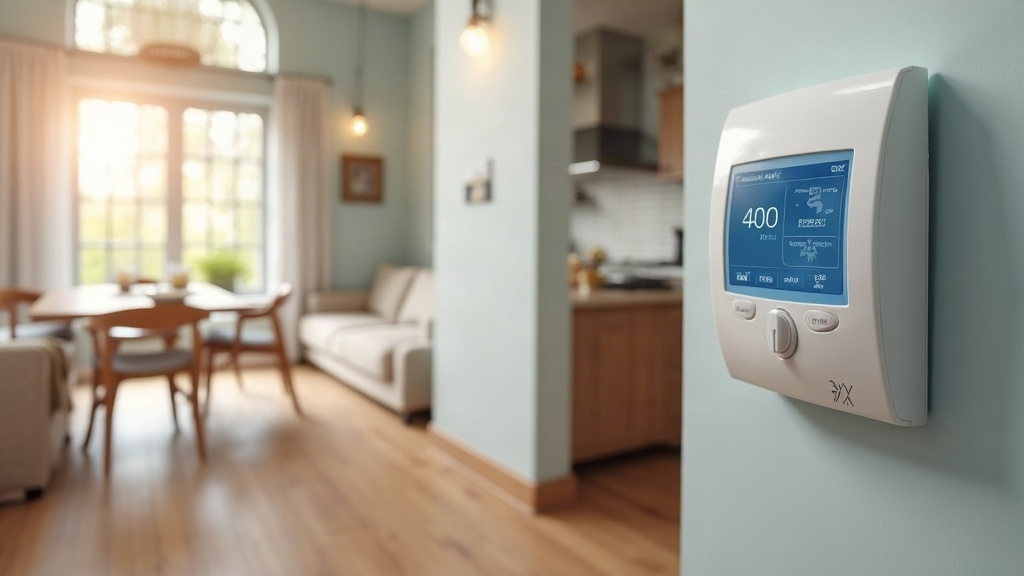
Choosing smart thermostats for radiant floor heating takes more than grabbing whatever smart home brand is trending. Radiant systems heat slowly, they respond nothing like a forced-air furnace, and most of them need a dedicated floor sensor just to run safely without cooking your flooring. Here’s what actually matters when you’re shopping for a thermostat built for hydronic or electric in-floor heat.
Why Radiant Heating Needs a Different Thermostat
A standard smart thermostat, even a decent single-stage model, is engineered for fast-responding forced-air systems. Radiant floors play by different rules:
- Slow thermal response. Floors can take anywhere from 30 minutes to several hours just to heat up or cool back down. Try that with a thermostat designed for a furnace that reacts in minutes.
- Floor temperature limits. Electric radiant systems under tile or hardwood need a hard cutoff on max floor temp, otherwise you risk cracking tile grout or warping wood.
- Two things to track, not one. Room air temperature and floor surface temperature are both in play, and they don’t move together.
Skip the floor sensor and you’re gambling. Without one, a thermostat can overheat flooring materials or let temperatures swing wildly, which burns energy and leaves rooms feeling inconsistent.
Key Features to Look For
1. Floor Sensor Compatibility
This is the one spec you can’t compromise on. You want a thermostat that accepts a dedicated floor-temperature probe, not just an air sensor tucked into the wall plate. The Mysa for Electric Floor Heating, Honeywell Home T6 Pro with floor sensor kit, and Sinope TH1400ZB all handle this properly.
- Air sensing only: okay for a small accent zone, like a narrow strip of heat under a bathroom vanity.
- Floor + air sensing: non-negotiable for full-room radiant setups, especially over tile, stone, or engineered wood.
2. System Type Match
There are two flavors of radiant heating, and getting this wrong is expensive:
- Electric radiant (resistance cable/mat) needs a thermostat rated for the system’s amperage, usually in the 15–20A range. Mysa and Sinope both fit here.
- Hydronic (hot water loops) is typically controlled through a boiler or zone valve relay. For this you want something like the ecobee with a zone controller, or dedicated multi-zone hydronic gear from tekmar or Uponor.
Mixing these up isn’t a minor hiccup. A thermostat built for electric cable heat simply won’t manage a boiler-driven hydronic zone correctly, no matter how smart its app looks.
3. Load Capacity (Amps/Watts)
Electric radiant floor circuits pull more current than your average light switch or HVAC control. Pull the spec sheet for your heating cable and compare it to the thermostat’s max load rating before you buy. If the cable’s amperage exceeds what the thermostat can switch, you’ll need a contactor or relay in between, no way around it.
4. Scheduling and Pre-Heat Logic
Radiant floors are slow by nature, so the better smart thermostats use adaptive or predictive scheduling. They learn how long your specific floor takes to hit target temperature and start the heat cycle earlier on their own. That’s the fix for the classic complaint: “why is my floor still cold when I get up at 6am?”
5. App and Voice Integration
Already living in the Google Home, Alexa, or HomeKit ecosystem? Check compatibility before you commit, because it varies more than you’d expect:
- Mysa works with Alexa, Google Assistant, and SmartThings.
- ecobee has strong HomeKit and Alexa integration, and some models even pack a built-in Alexa speaker.
- Sinope requires its Neviweb hub for the full smart feature set, though it plays nicely with SmartThings too.
Top Picks by Use Case
- Best for electric floor heating in bathrooms/kitchens: Mysa for Electric Floor Heating. Compact, dedicated floor sensor, simple install.
- Best for whole-home hydronic systems: ecobee paired with a zone controller for multi-room boiler management.
- Best budget option: Honeywell Home T6 Pro with an add-on floor sensor accessory.
- Best for professional/multi-zone installs: Sinope TH1400ZB with Neviweb hub for scalable zone control.
Common Mistakes to Avoid
- Installing a thermostat without checking amperage limits first. Best case you trip a breaker, worst case you’ve got a fire hazard.
- Skipping the floor sensor and trusting air temperature alone. Comfort gets inconsistent and your flooring pays the price.
- Ignoring the manufacturer’s floor temperature limits, which usually sit somewhere around 84–104°F (29–40°C) depending on the material.
- Picking a thermostat purely because it fits your smart home ecosystem, without ever confirming it actually supports radiant heat control.
Conclusion
The best smart thermostat for radiant floor heating isn’t automatically the most popular smart home name on the shelf. It’s the one that matches your system type, gives you real floor sensor input, handles your load requirements without a hiccup, and uses predictive scheduling to work around radiant heating’s slow, lumbering response time. Start with the heating method, get that right, then add in the smart home perks like voice control and app scheduling once the fundamentals are covered.