Troubleshooting Zigbee Smart Locks That Stick in Humid Bathrooms
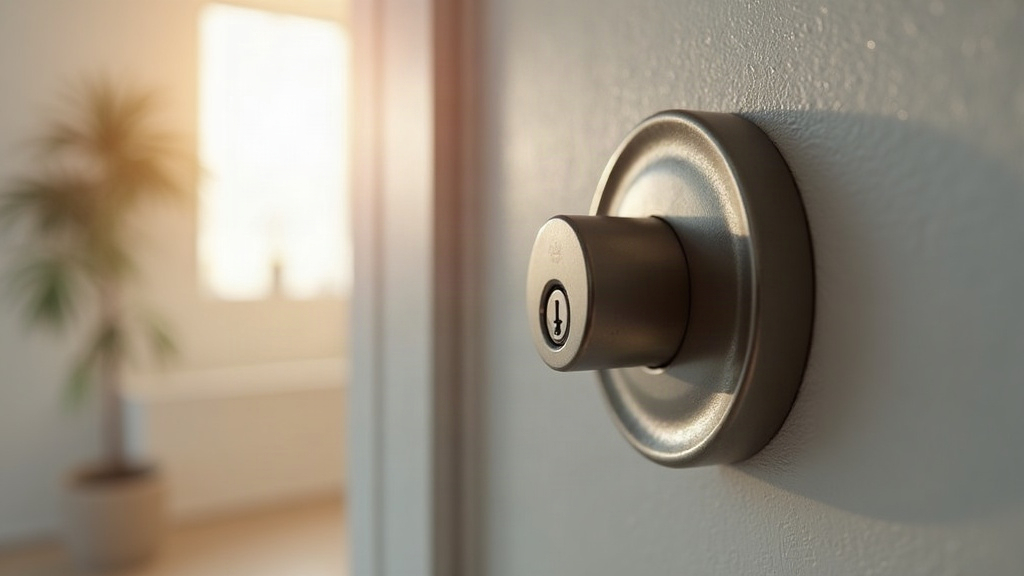
If your Zigbee smart lock is sticking on a bathroom door, nine times out of ten the real problem is moisture, not the radio inside it. Humidity swells wood doors and frames, corrodes the tiny internal parts of the lock, and can even sap the motor’s torque until it struggles to throw the bolt. Here’s why that happens, how to figure out what’s actually going on, and which fixes actually stick (pun intended).
Why Humidity Causes Sticking in the First Place
A Zigbee smart lock is still, at its core, a mechanical device with a motor that retracts or extends the bolt. Commands arrive over the Zigbee mesh, sure, but the mesh has zero say in whether the bolt physically slides. That part comes down to the room it’s living in.
In bathrooms specifically, three things tend to go sideways:
- Door and frame swelling. Wood soaks up moisture from every shower and bath. It doesn’t take much expansion, maybe a millimeter or two, to throw off the strike plate alignment and the bolt’s path.
- Internal corrosion. Condensation works its way into the lock body over weeks or months, oxidizing springs, cams, and the bolt throw mechanism. More resistance, more strain.
- Battery and motor strain. Corroded contacts or a motor fighting physical resistance pull more current than normal. This often triggers a low-battery warning even with brand new cells in the compartment, a misdiagnosis I’ve seen trip up plenty of people.
Step 1: Confirm It’s Mechanical, Not Zigbee
Before you go blaming hardware, rule out the network side:
- Pull up the lock’s signal status in your hub app (SmartThings, Hubitat, Home Assistant with ZHA or deCONZ, whatever you’re running). Weak signal shows up as delayed commands, not a bolt that physically won’t move.
- Try the lock manually, key or interior thumb-turn, no app involved. Stiff by hand too? That’s your answer. It’s mechanical, and humidity or misalignment is almost certainly to blame, not the lock’s electronics.
- Listen to the motor while it tries to cycle. A whine or a stall mid-throw is the sound of physical resistance, not a dropped connection.
Step 2: Check Door and Strike Plate Alignment
This single fix solves more sticking locks than anything else on this list. A swollen door only needs to shift a couple of millimeters to misalign the bolt with the strike plate hole, and in a bathroom that shift happens fast.
- Close the door without locking it and eyeball the gap around the edges. Uneven gaps mean the door has swollen or the hinges have shifted out of square.
- Loosen the strike plate screws a turn or two and see if the bolt throws more smoothly.
- If the door rubs the frame near the top or on the latch side, sand that edge lightly. Don’t go overboard, the wood will shrink back once the air dries out in winter, and you don’t want a gap you created yourself.
Step 3: Clean and Dry the Lock Body
- Remove the interior and exterior lock assembly. Most Zigbee locks come off with just 2 to 4 screws.
- Look for visible moisture, rust spots, or that telltale green or white corrosion crust on the contacts.
- Wipe everything down with a dry microfiber cloth. Isopropyl alcohol is fine on battery contacts, but keep it away from the circuit board itself.
- Apply a dry PTFE (Teflon) lubricant to the bolt mechanism. Skip oil-based or silicone sprays; in humid air they just attract dust and grime and turn into gunk within a season.
Step 4: Address the Room’s Humidity Source
Here’s the part people skip: fix the lock and ignore the bathroom, and you’ll be back here in a few weeks.
- Run the exhaust fan during every shower and leave it on for 20 minutes afterward. That alone solves a surprising amount of this.
- A cheap Zigbee humidity sensor can tell you what’s actually happening in the room. Anything consistently above 70% RH is accelerating corrosion on every metal surface in that bathroom, lock included.
- If ventilation is weak, a small dehumidifier or a few moisture-absorbing packs near the door frame can help.
- Check the weatherstripping too. Gaps around the door let steam pool right at hinge and lock height, which is exactly where you don’t want it.
Step 5: Prevent Long-Term Damage
- If you’re replacing hardware anyway, look for a lock rated for humid interior use, or at least check its IP rating.
- Once a year, hit the inside of the lock body with a light, electronics-safe corrosion inhibitor.
- Switch to lithium batteries instead of alkaline. They hold up better against corrosion and perform more consistently when temperature and humidity swing.
- Keep the firmware updated through your hub. Some manufacturers push motor-calibration updates that adjust torque sensitivity specifically for installs fighting physical resistance.
When to Replace the Lock
If you’ve cleaned it, lubricated it, realigned the strike plate, and the motor still strains, or the bolt itself shows visible pitting or rust, the internal parts are probably too far gone for a quick fix to matter. At that point a replacement, ideally a humidity-rated model, will save you more hassle than another round of repairs.
Conclusion
A sticking Zigbee lock in a humid bathroom almost never has anything to do with wireless signal or smart-home glitches. It’s swollen wood, a misaligned strike plate, or corrosion from moisture creeping into places it shouldn’t. Check the mechanics first, realign and lubricate what needs it, then go after the humidity at its source in the room itself. Do that, stay on top of ventilation and a bit of yearly maintenance, and the lock should give you no trouble through every season, wet or dry.